

4 Dirty Little Secrets About The 20 Ft Container Dimensions Industry
Understanding 20 Ft Container Dimensions: A Comprehensive Guide
Shipping containers have actually ended up being the foundation of worldwide trade, making it possible for services to transfer items efficiently throughout nations and continents. Among the numerous sizes available, the 20-foot container is one of the most popular choices due to its adaptability and functionality. This post aims to supply a detailed introduction of 20 ft container dimensions, their specifications, and frequently asked questions surrounding them.
Introduction of 20 Ft Containers
The 20 ft container, formally called a TEU (Twenty-foot Equivalent Unit), is usually utilized in shipping and transport of items. Its dimensions might a little vary depending on the producer and function, however the basic specs stay reasonably constant across basic models.
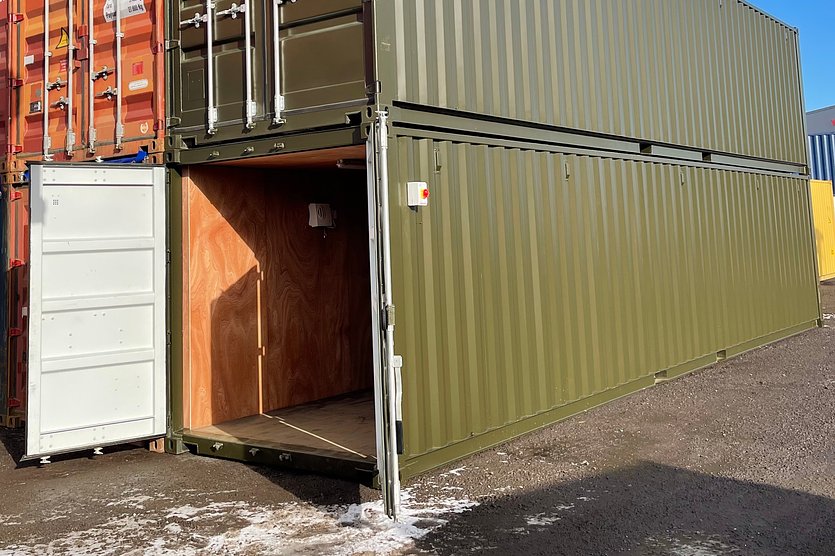
General Dimensions
Below is a table summing up the crucial dimensions of a basic 20 ft shipping container:
| Dimension | Measurement (Feet) | Measurement (Meters) |
|---|---|---|
| External Length | 20 ft | 6.058 m |
| External Width | 8 ft | 2.438 m |
| External Height | 8.5 ft | 2.591 m |
| Internal Length | 19.4 ft | 5.898 m |
| Internal Width | 7.7 ft | 2.352 m |
| Internal Height | 7.9 ft | 2.385 m |
| Maximum Payload | 28,200 pounds | 12,700 kg |
| Volume | 1,172 cu ft | 33.2 cbm |
Variations of 20 Ft Containers
While the standard 20 Foot Shipping Containers ft container is widely utilized, a number of variations deal with specific requirements:
-
High Cube Container:
- Height: 9.5 ft (2.896 m)
- Offers additional vertical space, making it perfect for lightweight however voluminous cargo.
-
Reefer Container:
- Temperature-controlled for disposable items.
- Dimensions might differ however usually match basic containers in length and width.
-
Open Top Container:
- Designed for extra-large cargo that can not fit through basic doors.
- Comes equipped with a removable tarpaulin covering.
-
Flat Rack Container:
- Used for carrying heavy equipment and large items.
- Has no sides or roofing system, offering versatility in loading.
-
Tank Container:
- Used for transporting liquids.
- While it normally shares the 20 ft frame, the internal geometry varies considerably.
Benefits of Using 20 Ft Containers
- Adaptability: Suitable for various kinds of cargo, from equipment to fabrics to perishables.
- Cost-efficient: Cheaper than larger containers, making it an excellent choice for little shipments.
- Easy Handling: Standard Size Of 20 Foot Container enables much easier loading and unloading in numerous transport methods.
- Stackable: Designed to be securely stacked, enhancing space during transportation.
Frequently Asked Questions
Q1: What is the maximum weight a 20 ft container can hold?
The optimum payload for a standard 20 ft container is usually around 28,200 pounds (12,700 kg). Nevertheless, it’s crucial to keep in mind that weight limits can vary depending upon policies in various countries.
Q2: How many pallets can suit a 20 ft container?
Generally, a 20 ft container can accommodate around 10 standard pallets (48 inches x 40 inches) when loaded efficiently.
Q3: Can I rent a 20 ft container, and just how much does it cost?
Yes, numerous shipping business offer container rental services. The cost can vary significantly based on place, period, and condition of the container. On average, renting a 20 ft 20ft Container Weight could range from ₤ 100 to ₤ 300 monthly.
Q4: Are there standard colors for shipping containers?
Shipping containers can can be found in different colors, although many are painted in standard colors like green, blue, or beige. The color typically suggests ownership by shipping business.
Q5: How do I determine if a container appropriates for my cargo?
Ensure that the container’s internal dimensions and ratings match the requirements for your specific cargo. Factors to consider include weight, volume, and the need for temperature control.
20 ft containers work as an essential element in global shipping and logistics. Their basic dimensions, combined with the availability of variations to match diverse shipping needs, make them a popular choice amongst services. Comprehending these dimensions, together with the benefits and restrictions of 20 ft containers, can considerably enhance logistical choices for companies and people alike.
Whether you’re in the marketplace to lease, buy, or merely inquiring, geared up with the ideal knowledge ensures you can take on the intricacies of shipping with self-confidence.