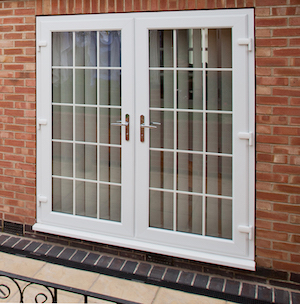

Five Killer Quora Answers To French Door Frame
The Comprehensive Guide to French Door Frames
French doors have long been a preferred architectural function in homes all over the world, celebrated for their stylish design and ability to connect indoor and outside areas. The frame of a French door is integral to its visual appeal and performance. This article looks into the different elements, benefits, styles, and installation aspects of French door frames, offering readers with an extensive understanding of this vital element in home style.
Comprehending French Door Frames
What Are French Doors?
French doors are typically identified by their big glass panels, which permit ample natural light and provide an unblocked view of the outdoors. Unlike traditional doors, French doors are typically installed in sets, swinging open up to virtually double the entryway. The frames of these doors are important, as they must not just support the weight of the doors themselves however also improve the general appearance and use.

Components of French Door Frames
The main components of a French door frame usually consist of:
- Main Frame: The strong structure that houses the glass panels and offers support.
- Door Panels: The 2 separate doors that open outwards or inwards.
- Glass Inserts: The panes that can be either clear, frosted, or patterned glass.
- Sidelights: Vertical panels of glass that flank the door frame, boosting the overall look and light entry.
- Transom: An upper window installed above the doors, frequently utilized to enable additional light into the area.
- Hardware: Includes hinges, handles, deadbolts, and locks to ensure security and performance.
Advantages of French Door Frames
French door frames use a plethora of benefits, making them a desirable option for house owners:
- Aesthetic Appeal: Their timeless style matches both traditional and modern architecture.
- Natural Light: The comprehensive usage of glass enables maximum light penetration, cheering up any area.
- Ventilation: When opened, French doors provide outstanding airflow between spaces or from inside to outdoors.
- Area Efficiency: With doors that swing open instead of slide, they work well in smaller areas where standard doors might not fit.
- Increased Property Value: Well-installed French doors can improve the resale worth of a home due to their visual appeal and functionality.
Kinds Of French Door Frames
French door frames can be found in various designs and materials. Here is a comparative appearance:
| Type | Description | Pros | Cons |
|---|---|---|---|
| Wood | Traditional visual, personalized surfaces | High insulation, customizable | Needs maintenance, can warp |
| Vinyl | Long lasting, low-maintenance synthetic product | Energy-efficient, cost-effective | Restricted color choices |
| Fiberglass | Resilient product that imitates the look of wood | Low maintenance, energy-efficient | Can be more costly |
| Aluminum | Sleek contemporary frames that provide a minimalistic appearance | Light-weight, long lasting, and resistant to rust | Poor insulator compared to wood |
Installing French Door Frames
The installation of French door frames can be a straightforward procedure for knowledgeable DIYers, however numerous house owners decide to employ specialists to guarantee correct fitting and sturdiness. Nevertheless, comprehending the essentials can empower property owners in making notified choices.
Steps for Installation
- Measurement: Accurate measurement of the door opening is important to choose the correct frame size.
- Preparation: Remove any existing doors and frames thoroughly, making sure the opening is clean and level.
- Frame Assembly: If the frame remains in several pieces, assemble it as per the manufacturer’s guidelines.
- Positioning: Position the frame within the opening, making sure it is square and level.
- Securing: Use shims to change the frame and protect it in location with screws.
- Hanging Doors: Attach the door panels to the frame using proper hinges.
- Completing Touches: Apply caulk and paint as needed to offer the installation a refined look.
Regularly Asked Questions
1. Are French doors more energy-efficient than conventional doors?
Yes, French doors can be quite energy-efficient, especially if they are made from insulated products and have double-glazed glass. Search For Energy Star-rated options for the very best performance.
2. Just how much do French doors cost?
The cost of French doors can vary considerably based upon material, size, and included functions such as grids or customized finishes. Usually, the rate can vary from ₤ 500 to ₤ 2,500, leaving out installation.
3. Can I use French doors in a small area?
Definitely! French doors can really boost a smaller space by developing the impression of more space and allowing natural light to flow, making the location feel brighter and more extensive.
4. How do I keep my French door frames?
Routine maintenance includes inspecting for any indications of wear, ensuring the hinges are well-lubricated, cleaning the glass to prevent buildup, and repainting or refinishing wooden frames as needed to prevent rot.
5. Can French doors be utilized as exterior doors?
Yes, French doors are typically utilized as exterior doors. Lots of homeowners use them as patio doors to connect indoor living areas with outdoor areas.
French door frames are more than just a trendy addition to a home; they are a practical element that boosts light, area, and visual appeal. Homeowners must consider various materials, designs, and installation processes when selecting the best French door frame for their space. By comprehending the advantages and characteristics of these frames, they can make a more educated decision that aligns with their style goals and practical needs. Including French doors in a home not just raises the aesthetic but likewise significantly contributes to creating a harmonious connection in between exterior and interior areas.