

Shipping Container Conversion Tools To Improve Your Daily Life Shipping Container Conversion Technique Every Person Needs To Learn
The Growing Trend of Shipping Container Conversion: An Innovative Approach to Sustainable Living
Shipping Container Depot container conversion is acquiring popularity as an innovative and sustainable approach to constructing homes, workplaces, and other structures. This technique not just repurposes old shipping containers however likewise promotes ecological sustainability by reducing waste. This article explores what shipping container conversion involves, the advantages and obstacles connected with it, and its applications throughout numerous domains.
What is Shipping Container Conversion?
Shipping container conversion includes repurposing used shipping containers into practical living or working areas. These robust steel structures, originally designed to transport items throughout oceans, have a high degree of structural integrity and can be easily modified to match numerous uses.
Key Features of Shipping Containers
| Function | Description |
|---|---|
| Toughness | Developed from Corten steel, resistant to deterioration. |
| Mobility | Easy to transport and transfer as needed. |
| Modular design | Containers can be stacked or arranged in different setups. |
| Environmentally friendly | Decreases waste by repurposing existing materials. |
| Affordable | Lower construction costs in contrast to standard building techniques. |
Benefits of Shipping Container Conversion
The benefits of transforming shipping containers into functional spaces are large. Below are a couple of notable benefits:
-
Sustainability: By repurposing containers, the environmental effect of construction is decreased, promoting sustainable living practices.
-
Price: The cost of acquiring and modifying a shipping container is typically much lower than traditional building materials and structures.
-
Adaptability: Shipping containers can be changed into a range of structures, consisting of homes, offices, cafes, workshops, and even pool.
-
Speed of Construction: Utilizing pre-fabricated containers significantly lowers the time and effort included in construction.
-
Special Design Potential: The commercial visual of shipping containers permits unique architectural designs that stick out from conventional structures.
Typical Applications of Shipping Container Conversion
| Application | Description |
|---|---|
| Residential homes | Little, environment-friendly homes perfect for minimalistic living. |
| Offices | Affordable work area solutions for start-ups. |
| Pop-up shops | Short-term retail solutions that can be relocated. |
| Cafés and dining establishments | Distinct dining experiences in metropolitan locations. |
| Emergency situation shelters | Quick, efficient reactions to housing crises or natural catastrophes. |
Obstacles in Shipping Container Conversion
Despite the numerous advantages, there are challenges connected with Shipping Container Marketplace container conversions that require consideration:
-
Insulation and Temperature Control: Steel Shipping Containers containers can warm up rapidly in hot climates and might need substantial insulation solutions.
-
Regional Regulations: Zoning laws and building regulations might limit making use of shipping containers in certain areas or required particular building standards.
-
Structural Modifications: Cutting into containers for doors, windows, and ventilation can jeopardize their structural integrity if not done properly.
-
Health Risks: If not dealt with appropriately, containers may contain harmful residues from previous cargoes, needing substantial cleaning or sealing.
-
Funding and Insurance: Securing financing for unconventional builds can be challenging, and some insurance plan may not cover converted containers.
Tips for Successful Container Conversion
To effectively convert a shipping container, think about the following ideas:
-
Research Local Regulations: Understand zoning laws, constructing codes, and limitations in your area.
-
Pick the Right Container: Select a container in good condition, thinking about size, type, and previous use (i.e., do not choose a container that has been used for dangerous products).
-
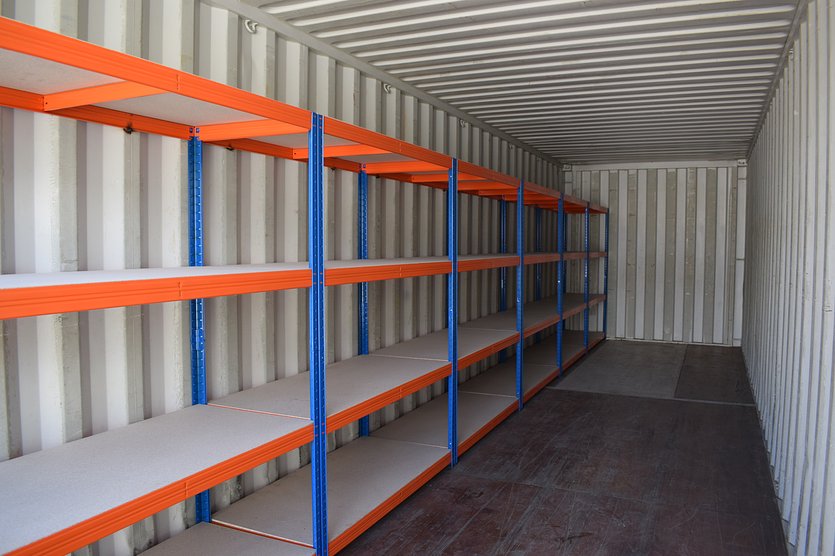
Plan Your Layout: Create in-depth layout to optimize space, especially because container interiors can be narrow.
-
Insulate Properly: Invest in excellent insulation to preserve comfortable indoor temperature levels. Alternatives consist of spray foam, stiff foam, or blanket insulation.

-
Engage Professionals: Work with architects, engineers, and contractors experienced in container conversions to guarantee security and structural integrity.
Regularly Asked Questions (FAQs)
-
How much does it cost to transform a shipping container?The cost can differ commonly depending on the size, modifications required, and place, however a basic conversion can start from around ₤ 10,000 to ₤ 20,000.
-
Are shipping container homes safe?Yes, as long as appropriate safety procedures are taken throughout the conversion process, including structural modifications and insulation.
-
For how long does it take to construct a container home?A shipping container home can generally be built in a few months, depending on the intricacy of the design and local allowing processes.
-
Can I fund a shipping container home?Funding choices may be limited, however some loan providers provide loans specifically for alternative housing; it’s recommended to go shopping around for the best terms.
-
What are the environmental advantages of container conversions?Repurposing containers diverts waste from garbage dumps, minimizes the need for new products, and can result in lower carbon footprints compared to conventional structure approaches.
Shipping container conversion provides an ingenious solution to housing and area requirements while promoting sustainability. The distinct aesthetic appeals, price, and versatility of container structures draw in an increasing variety of people and organizations. Regardless of its difficulties, with mindful planning, research study, and community engagement, the conversion of shipping containers into functional areas provides a bright path toward environmentally-friendly living and working environments. Whether it’s a charming small home or an office on the go, the possibilities are unlimited when it comes to shipping container conversion.