
NHS: The Family They Never Had

In the sterile corridors of Birmingham Women’s and Children’s NHS Foundation Trust, a young man named James Stokes carries himself with the measured poise of someone who has found his place. His polished footwear barely make a sound as he greets colleagues—some by name, others with the universal currency of a “good morning.”
James displays his credentials not merely as a security requirement but as a declaration of acceptance. It hangs against a pressed shirt that offers no clue of the challenging road that brought him here.
What separates James from many of his colleagues is not immediately apparent. His bearing gives away nothing of the fact that he was among the first recruits of the NHS Universal Family Programme—an effort designed specifically for young people who have experienced life in local authority care.
“I found genuine support within the NHS structure,” James reflects, his voice controlled but revealing subtle passion. His statement summarizes the heart of a programme that aims to reinvent how the enormous healthcare system approaches care leavers—those frequently marginalized young people aged 16-25 who have graduated out of the care system.
The statistics reveal a challenging reality. Care leavers often face greater psychological challenges, economic uncertainty, housing precarity, and diminished educational achievements compared to their age-mates. Beneath these clinical numbers are personal narratives of young people who have maneuvered through a system that, despite best intentions, frequently fails in delivering the stable base that shapes most young lives.
The NHS Universal Family Programme, launched in January 2023 following NHS England’s pledge to the Care Leaver Covenant, embodies a profound shift in institutional thinking. At its heart, it acknowledges that the whole state and civil society should function as a “universal family” for those who have missed out on the stability of a conventional home.
Ten pioneering healthcare collectives across England have led the way, creating frameworks that reimagine how the NHS—one of Europe’s largest employers—can open its doors to care leavers.
The Programme is meticulous in its strategy, initiating with comprehensive audits of existing practices, creating governance structures, and obtaining senior buy-in. It acknowledges that effective inclusion requires more than good intentions—it demands concrete steps.
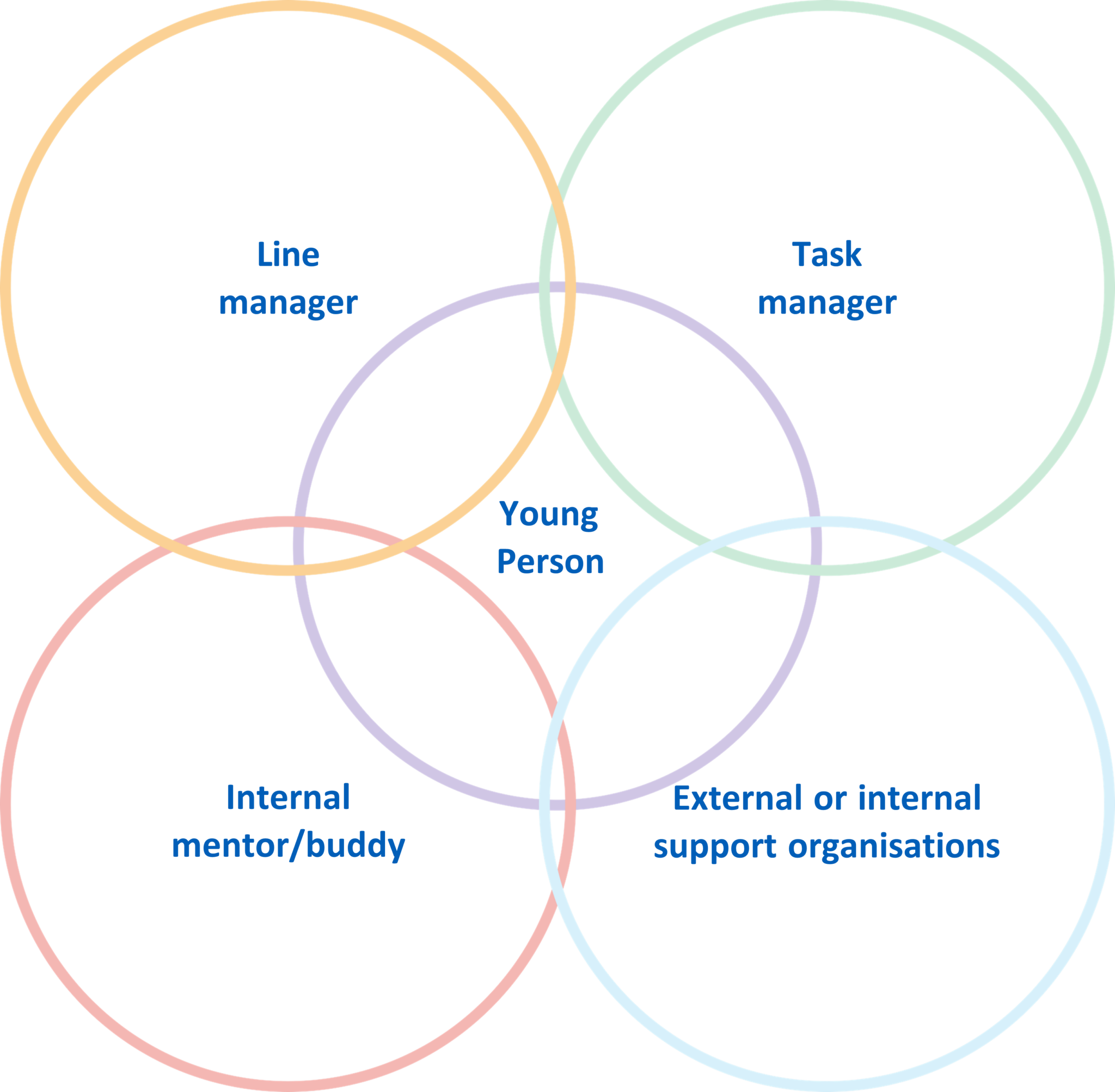
In NHS Birmingham and Solihull ICB, where James found his footing, they’ve created a consistent support system with representatives who can provide assistance and counsel on personal welfare, HR matters, recruitment, and equality, diversity, and inclusion.
The traditional NHS recruitment process—formal and often daunting—has been intentionally adjusted. Job advertisements now focus on personal qualities rather than extensive qualifications. Application processes have been reimagined to address the unique challenges care leavers might experience—from lacking professional references to facing barriers to internet access.
Possibly most crucially, the Programme recognizes that starting a job can present unique challenges for care leavers who may be managing independent living without the support of familial aid. Matters like transportation costs, proper ID, and bank accounts—considered standard by many—can become substantial hurdles.
The elegance of the Programme lies in its meticulous consideration—from clarifying salary details to helping with commuting costs until that crucial first salary payment. Even apparently small matters like break times and workplace conduct are thoughtfully covered.
For James, whose NHS journey has “transformed” his life, the Programme provided more than a job. It provided him a perception of inclusion—that ineffable quality that develops when someone is appreciated not despite their background but because their particular journey enhances the workplace.
“Working for the NHS isn’t just about doctors and nurses,” James comments, his gaze showing the quiet pride of someone who has secured his position. “It’s about a community of different jobs and roles, a team of people who truly matter.”
The NHS Universal Family Programme exemplifies more than an job scheme. It functions as a bold declaration that organizations can adapt to welcome those who have experienced life differently. In doing so, they not only alter individual futures but improve their services through the unique perspectives that care leavers provide.
As James navigates his workplace, his involvement silently testifies that with the right help, care leavers can thrive in environments once deemed unattainable. The arm that the NHS has extended through this Programme symbolizes not charity but acknowledgment of overlooked talent and the essential fact that all people merit a family that supports their growth.