

Five Killer Quora Answers On 20 Foot Container Size
Understanding the 20 Foot Container Size: Specifications, Uses, and Benefits
When it pertains to shipping and logistics, understanding container sizes can substantially impact storage and transportation performance. Among the different container sizes offered in the market, the 20-foot container is among the most popular and commonly used. This blog site post dives into the dimensions, specs, utilizes, advantages, and regularly asked concerns about 20-foot containers.
What is a 20 Foot Container?
A 20-foot container, frequently described as a TEU (Twenty-foot Equivalent Unit), is a standard shipping container utilized for transferring items across the globe. Its dimensions make it versatile for different types of cargo, including palletized items, vehicles, machinery, and raw materials.
Requirements of a 20 Foot Container
The following table describes the essential specifications of a basic 20-foot container:
| Dimension | Measurement |
|---|---|
| External Length | 20 ft (6.058 m) |
| External Width | 8 ft (2.438 m) |
| External Height | 8.5 ft (2.591 m) |
| Internal Length | 19.4 ft (5.898 m) |
| Internal Width | 7.7 ft (2.352 m) |
| Internal Height | 7.9 ft (2.385 m) |
| Maximum Gross Weight | 24,000 kg (52,910 lbs) |
| Tare Weight | 2,300 kg (5,071 lbs) |
| Payload Capacity | 21,700 kg (47,851 lbs) |
| Volume | 33.1 cubic meters |
Style Variants
There are a number of style versions of the basic 20 Ft Container Dimensions-foot container, consisting Price Of A 20ft Shipping Container:
- Standard Dry Containers: The conventional container developed for general cargo.
- Reefer Containers: Temperature-controlled containers used for perishable items.
- Open Top Containers: Containers with an open roof, appropriate for oversized cargo.
- Flat Rack Containers: Used for heavy and bulky items that do not fit in basic containers.
- High Cube Containers: These are slightly taller than basic containers, offering extra volume.
Uses of a 20 Foot Container
The versatility of the 20 Foot Shipping Container-foot container is one of its standout functions. Here are some common uses:
- International Shipping: The 20-foot container is ideal for carrying goods throughout continents.
- Storage: These containers function as safe and secure storage systems for personal valuables or company inventory.
- Modular Construction: Some companies utilize 20 Foot Container Size-foot containers to develop modular buildings or offices.
- Mobile Businesses: Entrepreneurs typically convert containers into mobile retail spaces or food trucks.
- Event Infrastructure: These containers can be used to provide short-lived facilities at occasions, consisting of washrooms or storage areas.
Benefits of Using a 20 Foot Container
Opting for a 20-foot container has numerous advantages:
- Cost-Effective: Smaller than bigger containers, 20-foot containers can often be more economical for organizations that do not need the capacity of a larger model.
- Easy Handling: Their manageable size makes them easier to pack, transport, and shop, leading to time cost savings at ports and warehouses.
- Versatile Storage Solutions: The standard dimensions enable the fitting of various cargo types, making them exceptionally versatile.
- Durability: Shipping containers are constructed to stand up to harsh weather and impacts, making sure cargo security throughout transit.
- Accessibility: They are one of the most widely produced and offered container types, making them simpler to procure.
Typical Questions (FAQs)
1. What can fit inside a 20-foot container?
A 20-foot container can generally hold about 10-11 standard pallets or as much as 21,700 kg of cargo depending upon the type of products being delivered.
2. Just how much does a 20-foot container weigh?
The tare weight of a basic 20-foot 20ft Container is around 2,300 kg (5,071 pounds).
3. Are 20-foot containers suitable for moving houses?
Yes, they provide an excellent alternative for transferring a little house’s worth of possessions due to their size.
4. How do I protect cargo in a 20-foot container?
Cargo must be secured using straps, dunnage, and pallets to prevent movement throughout transport and ensure safe delivery.
5. Can I lease a 20-foot container?
Lots of shipping companies offer rental options, making it easy for companies and individuals to gain access to containers for short-term usage.
6. Exist specific regulations for shipping with 20-foot containers?
Yes, each country may have particular regulations regarding the transport of goods, consisting of size constraints, weight limits, and paperwork requirements.
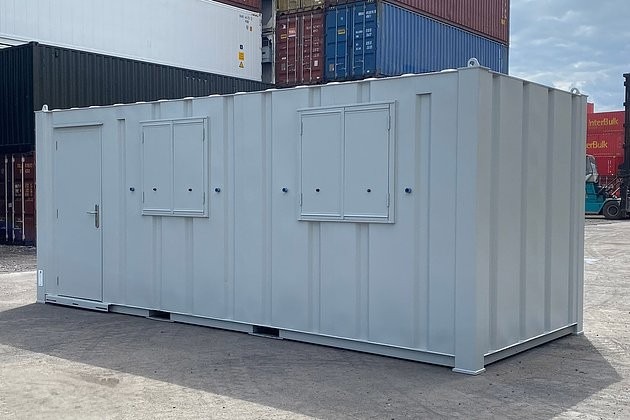
A 20-foot container plays a vital function in international shipping and logistics due to its workable size and varied applications. It is important to think about the specs, advantages, and usages of 20-foot containers when preparing for shipping or storage requirements. As the logistics and shipping market continues to progress, one can anticipate that the 20-foot container will keep its significance and utility in fulfilling the demands of international trade.
Whether you are an organization looking to optimize shipping costs or a specific needing storage options, understanding the 20-foot container’s potential deals substantial benefits. As shipping practices continue to advance, this sized container will stay a necessary asset for transferring goods and services worldwide.